In the high-pressure arena of job interviews, performance is determined not just by knowledge or resume, but by physiological function and nervous system stability. Many candidates suffer regrettable brain freezes, rapid heartbeats, or thought fragmentation despite full preparation; this results from failed energy management and neurotransmitter regulation under pressure, not incompetence. To win this intellectual and psychological game, you must manage brain physiology strategically, like an elite athlete. This article details a plan based on pharmacokinetics, utilizing the synergy of caffeine, L-Theanine, and glucose. Through a strict "T-90 countdown," it targets the optimal window for neurotransmitter activity and blood sugar stability. Knowing the "golden stack" formula is insufficient; timing is the key to ensuring supplements are boosters rather than stumbling blocks. We explain why 90 minutes pre-interview is crucial for a Low-GI energy base, and why anti-anxiety supplements must be taken at T-45 minutes to align Peak Plasma Concentration with the interview start. This protocol eliminates "post-meal slump" and "caffeine jitters," using L-Theanine to calm the central nervous system while retaining caffeine-induced focus. By following this standardized procedure, you actively guide your brain into a "flow" state of calm agility, ensuring your physiology is an ally, not a liability, during logical challenges.
Core Strategy: The 90-Minute Pre-Interview Intake Countdown
Merely knowing "what to eat" is not enough. In an already stressful interview environment, if the intake timing is wrong (e.g., drinking coffee only 10 minutes before the interview, or eating a high-carb meal 2 hours before), it may lead to a "blood sugar crash" or anxiety caused by a rapid heart rate midway through the interview.
The core objective of this plan is to utilize the metabolic laws of Pharmacokinetics to precisely lock the Peak Plasma Concentration of nutrients at the exact moment the interview begins. We need to establish a strict countdown execution schedule to manage your physiological state like a rocket launch.
Below is the standardized T-90 Mental State Management Timeline:
Countdown (T-Minus) | Action | Target State |
|---|---|---|
T-90 Minutes | Consume Basic Energy Meal<br>Ingest Low-GI carbohydrates + moderate protein.<br>(e.g., oatmeal, whole wheat bread, a small amount of nuts) | Establish Energy Base<br>Ensure slow glucose release to avoid cognitive sluggishness caused by hypoglycemia midway through the interview. |
T-45 Minutes | Ingest "Golden Stack" Supplements<br>Take 100mg Caffeine + 200mg L-Theanine.<br>(Or drink a standard Americano/strong tea) | Initiate Chemical Reaction<br>Caffeine and L-Theanine typically reach peak plasma concentration 30-60 minutes after ingestion. Taking them at this time ensures the effects "climb" to their peak exactly when the interview starts. |
T-15 Minutes | Physiological Voiding and Hydration<br>Empty bladder; sip room temperature water to moisten the throat.<br>(Drinking large amounts of water at this time is strictly prohibited) | Eliminate Distractions<br>Ensure the body has no physiological burdens and the mouth is moist, suitable for prolonged speaking. |
T-0 Minutes | Interview Starts | Enter Flow State<br>Blood sugar is stable, neurotransmitter activity reaches its peak, and focus and stress resistance are in the optimal window. |
Execution Principle: This schedule is a rigid constraint. Do not postpone eating due to nervousness, and do not chug water at T-15 minutes due to thirst. Precise execution is the prerequisite for physiological stability.
The following sections will break down the specific execution details and alternatives for the two key nodes: T-90 and T-45.
T-90 Minutes: Basic Energy Meal (Low Glycemic Index)
The 90-minute mark before the interview begins is a critical point for laying the physiological foundation. This time window is not chosen at random, but to find the optimal balance between "energy supply" and "digestive burden." Eating too early (e.g., 3-4 hours prior) may lead to distraction during the interview due to low blood sugar; eating too late (e.g., 30 minutes prior) causes a large amount of blood to rush to the stomach to assist digestion, resulting in relatively reduced blood supply to the brain, which can easily trigger sluggish reactions.
Why 90 minutes?
Eating at this time gives the body enough time to complete preliminary digestion, converting food into glucose to enter the bloodstream, providing continuous fuel for the brain while avoiding the "Post-prandial somnolence" that occurs immediately after a meal. Your goal is to keep the blood sugar curve rising gently, rather than fluctuating violently like a roller coaster.
Recommended Plan: Low Glycemic Index (Low GI) and Moderate Protein
The diet at this time should focus on complex carbohydrates that release energy slowly, paired with a moderate amount of protein. This combination ensures that glucose is released slowly and steadily into the bloodstream, keeping you awake and emotionally stable throughout the interview process.
- Best Choices (Steady Energy Supply):
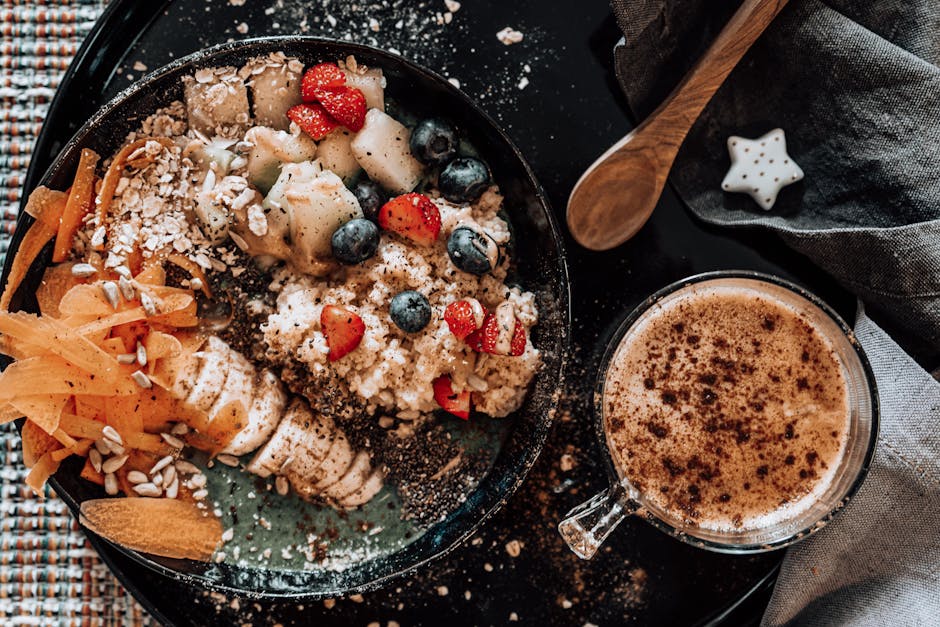
- Oatmeal (Non-instant, unsweetened): An excellent source of low-GI carbs, providing lasting satiety.
- Whole wheat bread or multigrain toast: Paired with a small amount of nut butter or a slice of low-fat cheese.
- Boiled eggs or chicken breast: High-quality protein helps increase the raw materials for neurotransmitter synthesis (such as tyrosine) without burdening the digestive system.
Absolute Taboos: High Sugar and High Fat
At this stage, two types of food must be strictly avoided, otherwise you may encounter "brain fog" or a precipitous drop in energy halfway through the interview:
- Refined Sugar and Refined Grains: Donuts, sugary drinks, or white rice will trigger an insulin spike, causing blood sugar to shoot up rapidly and then plummet quickly (Sugar Crash). Halfway through the interview, this drop will manifest as mental stalling, anxiety, and exhaustion.
- High-Fat Heavy Meals: Fried chicken, pork belly, or greasy takeout require a very long digestion time. They will occupy blood circulation resources for a long time, making you feel drowsy and unable to quickly mobilize brain resources when asked complex logic questions.
Execution Principle: Eat until you are "70% full." Eating at this time is to fuel the brain, not to satisfy the appetite. Maintaining a light physical sensation is the prerequisite for entering high-intensity mental confrontation.
T-45 Minutes: The Golden Window (Supplement Intake)

This is the critical "Go/No-Go" decision point in interview preparation. At 45 minutes before the interview starts, this is the single best time to ingest the Caffeine + L-Theanine Stack.
The setting of this time window is not random; it is based on the metabolic laws of pharmacokinetics. Studies show that after caffeine intake, plasma concentration typically peaks within 40-60 minutes, while the peak plasma concentration of L-Theanine also appears approximately 50 minutes after ingestion. Taking it at T-45 minutes means that when the interviewer begins asking questions, your brain will be in a state of highest neurotransmitter activity and peak concentration.
Recommended Plan: The 1:2 Golden Ratio
To eliminate nervousness while maintaining high focus, it is recommended to adopt the classic 1:2 ratio scheme:
- 100mg Caffeine (approximately equivalent to a standard Americano or a caffeine tablet)
- 200mg L-Theanine (usually in capsule form)
Consuming caffeine alone may induce palpitations, hand tremors, or rapid speech ("fight or flight" response) in a high-pressure interview environment, whereas L-Theanine can suppress these side effects by promoting the production of alpha brain waves, enhancing resistance to interference and maintaining calm focus. This synergistic effect allows you to remain sharp when answering tricky questions without appearing anxious.
Why Is Timing Crucial?
Taking supplements outside of this window poses significant risks:
- Too early (e.g., before T-90 minutes): The diuretic effect of caffeine may force you to feel the urge to use the restroom midway through the interview. Furthermore, if the effects begin to fade (Crash) before the interview ends, you may feel exhausted or distracted during the final Q&A session.
- Too late (e.g., within T-20 minutes): The supplements have not yet passed through the digestive system into the bloodstream. During the interview, you are relying mainly on the placebo effect, and the real potency may only manifest after you walk out of the interview room, leading to post-interview insomnia.
Execution Directive: If you decide to use the supplement strategy, please be sure to ingest it decisively at the T-45 minute mark. If you miss this window, it is recommended to abandon intake and simply drink a moderate amount of plain water to avoid uncontrollable physiological reactions interfering with your interview performance.
Deep Dive: The "Golden Ratio" of Caffeine and L-Theanine
In Biohacking and high-performance professional circles, consuming caffeine alone is no longer the preferred solution for boosting brain power. To maintain peak performance in high-pressure environments like interviews, a synergistic combination known as a "Stack" is widely advocated: Caffeine and L-Theanine.
The core of this combination lies in the precise ratio and complementary biological mechanisms. According to multiple studies on cognitive performance, the most widely recognized "Golden Ratio" is 1:2, specifically 100 mg of caffeine paired with 200 mg of L-Theanine. This ratio aims to maximize focus while eliminating the side effects associated with pure stimulation.
The Biological Synergy of the "Gas Pedal" and the "Steering Wheel"
To understand why this combination is effective, we need to observe how they act on the brain at a microscopic level:
- Caffeine: Its primary function is to block Adenosine receptors. Adenosine is a neurotransmitter that induces fatigue; caffeine temporarily "tricks" the brain by occupying these receptors, preventing the sensation of sleepiness. This provides the brain with raw energy and alertness.
- L-Theanine: This is an amino acid primarily found in green tea leaves. Research indicates that L-Theanine can cross the blood-brain barrier and increase Alpha brainwave (8-14 Hz) activity in the brain. Alpha waves are typically associated with "relaxed alertness," similar to the brain state during meditation, helping to calm emotions without inducing drowsiness.
We can use driving a car as a vivid analogy: If caffeine is the "gas pedal" slammed to the floor, providing forward momentum, then L-Theanine is the precise "steering wheel". Acceleration without a steering wheel is extremely dangerous and prone to loss of control (i.e., nervous trembling or chaotic thinking during an interview); however, with the intervention of L-Theanine, this energy is guided into a steady, controllable "flow" state.
Relevant research indicates that when the two are combined in a 1:2 ratio, subjects demonstrate superior accuracy and reaction speed in Task Switching compared to using caffeine alone. For interviewees, this means you can maintain a sharp response to the interviewer's questions while upholding a composed and logical delivery, avoiding the awkwardness of your "mind going blank" or speaking too rapidly.
Why Drinking Coffee Alone Can Lead to Poor Interview Performance?
Many candidates are in the habit of drinking a cup of Espresso or Americano 30 minutes before an interview to "refresh their minds." During daily independent work (such as writing code or processing documents), this intake of pure caffeine can indeed effectively improve alertness. However, in a high-pressure interview environment, consuming caffeine alone often becomes a catalyst for poor performance.
Physiological Mechanism: The Blurred Line Between "Excitement" and "Anxiety"
From a physiological perspective, the interview itself triggers the body's "Fight-or-Flight" response, causing Cortisol and adrenaline levels to naturally rise. This natural state of physiological arousal overlaps highly with the reaction following caffeine intake.
When you consume pure caffeine on top of this, you are essentially "adding fuel to the fire" of an already fast-running nervous system. Studies show that while caffeine can promote wakefulness, without regulation, it can easily trigger anxiety and Jitteriness. To the brain, the physiological signals of "extreme excitement" and "extreme panic" are very similar; excessive caffeine can push a healthy "interview excitement" into uncontrollable "physiological anxiety."
Common "Negative Effects of Caffeine"
In high-pressure interview scenarios, this overstimulation usually manifests as the following specific out-of-control symptoms, seriously affecting the interviewer's assessment of your soft skills and ability to handle pressure:
- The Jitters: The most intuitive manifestation is slight hand tremors. When you need to perform Whiteboard Coding, draw architecture diagrams on the spot, or hand over a resume, this uncontrolled shaking will directly expose your nervousness and may even make you unable to hold a marker steadily.
- Uncontrolled Speaking Speed and Interrupting: Caffeine accelerates the flow of thought, but often faster than your ability to organize language. This can lead you to rush to answer before the interviewer has finished asking the question (interrupting), or speak too fast resulting in logical gaps, leaving the interviewer with the impression of being "impatient" or "lacking listening skills."
- Racing Thoughts: You may find it hard to focus on the current question, with your brain filled with scattered thoughts. In this state, it is difficult to engage in deep thinking or construct structured STAR answers; instead, you are prone to getting bogged down in trivial details.
It is precisely because pure caffeine carries this risk of "all gas, no brakes" that we emphasize the importance of introducing L-Theanine. As mentioned earlier, L-Theanine can smooth out the stimulation curve of caffeine by inducing Alpha Waves, ensuring that while you remain awake, you possess a sense of "calm focus," thereby avoiding the aforementioned "interview meltdown" moments.
The Double-Edged Sword of Sugar: How to Use Glucose to Boost Short-Term Memory
After exploring the regulation of focus by neurotransmitters (such as caffeine and L-theanine), we cannot ignore the brain's most fundamental energy source—glucose. For candidates who need to perform high-intensity logical deduction (such as Coding interviews) or rapid case analysis (Case Interviews), sugar intake is a "double-edged sword" that requires skill to handle.
The Brain's "High Energy Consumption" Needs and Memory
Although the brain accounts for only about 2% of body weight, it consumes about 20% of the body's energy. In high cognitive load scenarios like interviews, the brain's demand for glucose increases significantly. Studies show that moderate supplementation of glucose can significantly improve short-term memory and attention, which is crucial for interview segments requiring the recall of massive project details or algorithmic knowledge in a short time.
When blood sugar levels rise slightly within the normal range, your Working Memory—our ability to temporarily store and process information when solving problems—usually reaches its optimal state. This explains why some people instinctively crave sweets after long periods of thinking.
Beware of "Reactive Hypoglycemia": Why You Shouldn't Drink Coke Before an Interview?
Since the brain needs sugar, does it mean you should eat a chocolate bar or drink a bottle of sugary beverage 30 minutes before an interview? Absolutely not.
This is the most common pitfall for many candidates. Consuming large amounts of refined sugar (such as candy, soda) causes blood sugar to spike sharply in a short period. To cope with this sudden peak, the body secretes a large amount of insulin to drive blood sugar down. This drastic regulation often leads to "overcorrection," triggering reactive hypoglycemia (Sugar Crash).
This "sugar crash" usually occurs within 30 to 60 minutes after consuming high-sugar foods—exactly when you are sitting in front of the interviewer introducing yourself or answering the first technical question. Its symptoms include:
- Brain Fog: Thinking becomes sluggish, making it difficult to organize language.
- Fatigue: A sudden feeling of energy being drained.
- Increased Anxiety: Physiological reactions caused by low blood sugar (such as trembling hands, palpitations) are easily mistaken for nervousness, thus forming a vicious cycle.
Best Practices: Building a Stable Energy Supply Line
To leverage the advantages of glucose while avoiding risks, you need to adopt a strategy of "slow release as primary, fast release as auxiliary":
- T-90 Minutes (Slow Release): Consume Complex Carbohydrates
1.5 to 2 hours before the interview, eat a meal containing complex carbohydrates (such as whole wheat bread, oats, or brown rice). The digestion speed of such foods is slower, acting like a "slow-release capsule" to transport glucose smoothly into the blood, ensuring you have a stable energy baseline throughout the interview process without experiencing drastic blood sugar fluctuations. - T-15 Minutes (Emergency Fine-tuning): Controlled "Micro" Intake
If you feel obvious hunger or dizziness before the interview (which is common in back-to-back multi-round interviews), you can consume a very small amount of fast sugar, but the key lies in the portion.
- Recommended: A small piece of dark chocolate (over 70% cocoa content) or a few sips of juice. Dark chocolate not only has moderate sugar content but also contains trace amounts of caffeine and flavonoids, which help with cerebral blood flow.
- Avoid: Donuts, full-sugar milk tea, or a whole can of energy drink.
Summary: Glucose is your fuel, but insulin is your brake. The goal before an interview is to keep the tank with fuel, not to floor the gas pedal causing the engine to stall. Through reasonable eating timing, you can ensure your brain remains online during high-pressure conversations.
Comparison of Intake Sources: Coffee, Matcha, or Supplement Pills?
In high-pressure environments like interviews, choosing which carrier to use for ingesting caffeine and L-theanine is often more critical than how much you ingest. Liquid coffee or matcha can provide psychological "ritualistic" comfort, while capsule supplements can provide engineering-grade precision.
To help you make a choice based on your own tolerance and habits, we have conducted a multi-dimensional comparative analysis of these three common intake sources:
Dimension | Black Coffee | Matcha | Supplements |
|---|---|---|---|
Composition Ratio | Dominated by pure caffeine, almost no L-theanine | Naturally contains caffeine and L-theanine, but ratios fluctuate | Can be precisely controlled (e.g., the classic 1:2 golden ratio) |
Onset Speed | Extremely Fast (Peaks in 15-30 minutes) | Gentle (Slower release, longer duration) | Moderate (Needs time for capsule to dissolve, approx. 30-45 minutes) |
Main Risks | Prone to causing palpitations, hand tremors (Jitters), and subsequent energy crashes | Preparation is troublesome, and the taste may not suit everyone | Lacks the psychological soothing sense brought by hot drinks |
Recommended Scenarios | Long-term heavy coffee dependents (Do not quit suddenly on interview day) | People prone to anxiety; those seeking "calm focus" rather than "excitement" | Engineers seeking absolute data control; quantitative thinkers |
1. Coffee: High-Risk, High-Efficiency Fuel
Coffee is the most popular refreshing drink in the workplace, but it is a "double-edged sword" on interview day. Caffeine release is rapid, bringing a strong sense of wakefulness, but it is often accompanied by a spike in adrenaline. For candidates prone to nervousness, this may aggravate physiological anxiety reactions (such as tachycardia and sweaty palms).
- Advice: If you do not usually have a habit of drinking coffee, never try it on interview day. If you are a heavy dependent, it is recommended to maintain 50%-70% of your daily dose to avoid withdrawal headaches while reducing the risk of over-excitement.
2. Matcha: The Natural Slow-Release Agent
Matcha is becoming increasingly popular in Silicon Valley and financial circles, mainly due to its unique chemical composition. Unlike coffee, matcha is naturally rich in L-theanine. Studies show that L-theanine can increase Alpha waves in the brain, a brainwave state usually associated with "relaxed focus."
- Advantages: L-theanine can effectively slow down the absorption speed of caffeine, thereby providing a smoother, more lasting sense of energy, avoiding the "rollercoaster" style crash common with coffee.
- Disadvantages: It is difficult to quantify the specific active ingredient content in a cup of matcha, as this depends on the grade of the tea powder and the brewing method.
3. Supplement Pills (Capsules): The Engineer's Precision Solution
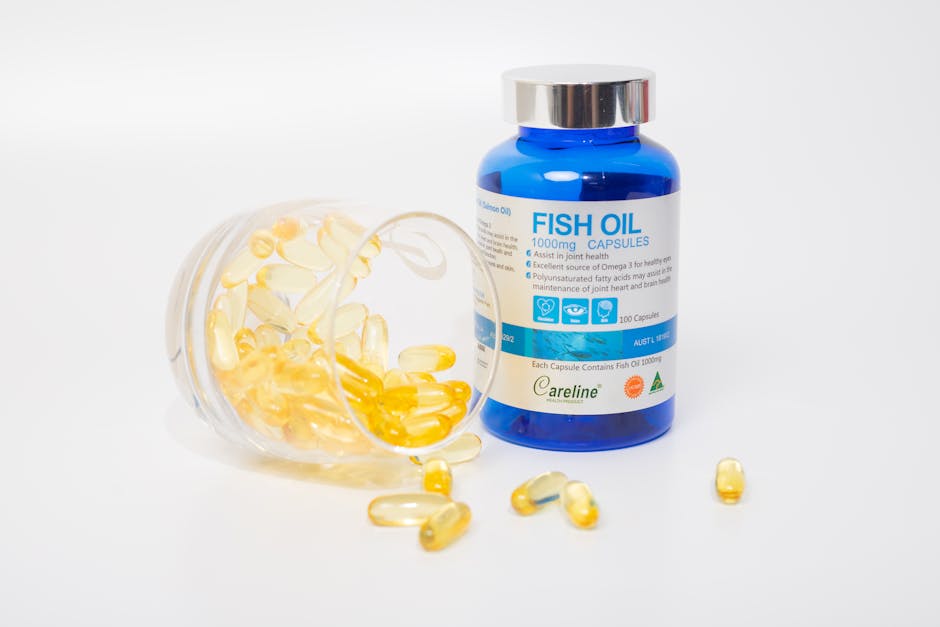
For candidates pursuing ultimate certainty—especially software engineers or data scientists—standardized capsules are often the best choice. By swallowing a fixed dose of caffeine (e.g., 100mg) and L-theanine (e.g., 200mg), you can completely eliminate variables such as brewing concentration and liquid intake (reducing the risk of needing the restroom mid-interview).
- Strategy: This method strips away the taste enjoyment of the drink, reducing it to pure biochemical regulation. It eliminates the doubt of "is this cup too strong," allowing you to precisely replicate your mental state during practice.
Decision Advice:
- If you are extremely sensitive or prone to nervousness, prioritize Matcha.
- If you need absolute cognitive control and do not want to run to the restroom frequently due to drinking too much water, choose Supplement Pills.
- If coffee is your mandatory morning ritual, please continue drinking Coffee, but it is recommended to pair it with an extra L-theanine capsule to suppress the risk of jitters.
Dietary Taboos and Risk Management on Interview Day
On the day of the interview, your primary goal is not to "overperform" through radical means, but to ensure absolute physiological stability. No matter how perfect your "brain supplement" stack is, wrong timing or dietary combinations can lead to palpitations, brain fog, or even physiological embarrassment.
Based on years of interview coaching experience and observations of physiological reactions, here are the "safety protocols" that must be strictly followed on interview day.
1. Strictly Prohibit "First-Day Experiments" (The "Zero Day" Rule)
This is the first iron law of risk management: Never try anything you have never eaten, drunk, or used on the day of the interview.
If you have never taken L-Theanine, interview day is definitely not the time to start. Although studies show it can calm anxiety, a very small number of people may experience idiosyncratic reactions such as headaches, nausea, or drowsiness. Similarly, if you usually only drink lattes, don't suddenly switch to espresso on interview day just because you heard black coffee is more effective. Your body needs predictability; any new chemical intake should be tested during the Mock Interview phase.
2. Beware of "Sugar Crashes" and Refined Carbohydrates
Many people have a habit of eating sweets (like donuts, chocolate) for comfort when nervous, or consuming a high-carb breakfast (like white bread, pancakes) to "replenish energy." This is very dangerous behavior on interview day.
Consuming high Glycemic Index (High-GI) foods causes blood sugar to spike rapidly and then drop drastically. This "roller coaster" effect can trigger Brain Fog, slow reactions, and extreme drowsiness. As suggested by experts at Happiful, you should avoid refined sugars and carbohydrates and opt for high-protein foods instead to keep your blood sugar stable during the interview. Even if it's for celebration, please save the high-sugar foods for after the interview.
3. Tactical Management of Liquids
Caffeine has a diuretic effect, and nervousness will further exacerbate this physiological reaction. In a loop interview that may last 60 minutes or even longer, the last thing you want to encounter is a strong physiological urgency.
- Stop Heavy Drinking: It is recommended to stop drinking large amounts of water 60-90 minutes before the interview starts.
- Sip to Moisten Throat: Within 15 minutes before the interview, only sip water to relieve dry mouth instead of gulping it down.
- Avoid Strong Stimulation on an Empty Stomach: Although taking supplements on an empty stomach allows for faster absorption, it also increases the risk of gastrointestinal discomfort. According to Flowblend's advice, taking caffeine or L-Theanine with a small amount of food can effectively reduce the likelihood of stomach upset, preventing you from having to fight stomach pain while answering technical questions.
4. Interview Day "Avoidance" Checklist
Before heading out or logging into the video conference, please perform a final check against the following list:
- ❌ Do Not Consume Excessive Caffeine: Even if your usual tolerance is high, adrenaline levels are already high on interview day. Excessive caffeine can easily induce hand tremors and palpitations, which can be misread by interviewers as an extreme lack of confidence.
- ❌ Do Not Eat Fried Foods: Fried foods are hard to digest and can lead to systemic inflammation, potentially causing sluggishness.
- ❌ Do Not Take Capsules on an Empty Stomach: Especially high-purity caffeine pills; taking them on an empty stomach can lead to roller-coaster-like anxiety.
- ✅ Maintain Routine: Eat the breakfast you usually eat, drink the beverages you usually drink; make only minor adjustments, not drastic changes.
Remember, the dietary strategy for interview day is defensive—not seeking extraordinary gains, but seeking to avoid errors. Keeping your body comfortable and your mind clear is the best state.